Some help to learn Finnish language
The Magic (and Mystery) of Finnish language
Where does it come from?
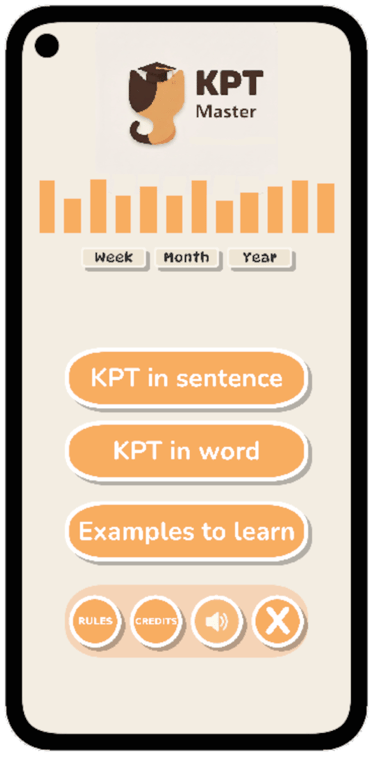
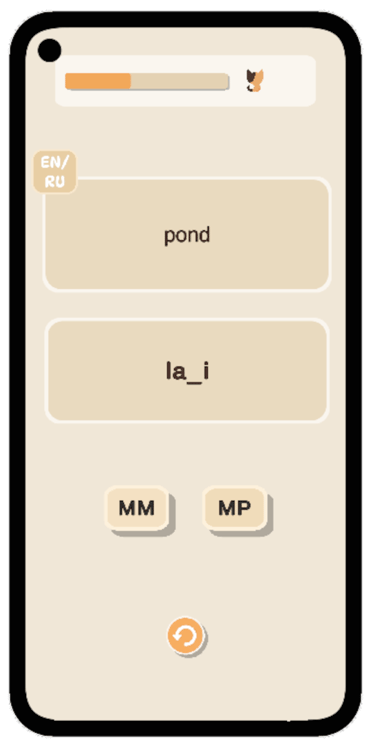
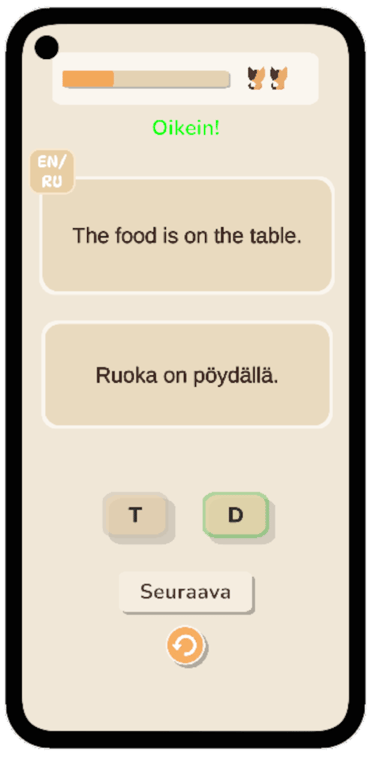
Finnish is a bit of a "rebel" in the European language family. Unlike its neighbors (Swedish, Norwegian, or Russian), it doesn’t belong to the Indo-European family. It is a Finno-Ugric language, making it a distant cousin to Estonian and Hungarian. Because it developed in its own unique way, almost none of the words look familiar to English or German speakers. There are no "easy wins" where you can just guess the meaning! Why is it famously "Hard"? If you’ve heard that Finnish is one of the most difficult languages for foreigners, you heard right. But it’s not because it's messy—it’s because it’s mathematical. 15 Grammatical Cases: Instead of using small words like "in," "on," or "from," Finnish adds endings to the nouns. One word can have dozens of shapes! The KPT Trap: This is where most students get stuck. When you add those endings, the "middle" of the word often changes (Consonant Gradation). A p might turn into a v, or a t might just disappear. Compound Word Mountains: Finnish loves to glue words together to create new meanings, leading to some of the longest words you’ll ever see.
Our Philosophy: Sisu Over Stress
In Finland, we have a word called Sisu—it means extraordinary determination in the face of adversity.
Learning Finnish is the ultimate "Sisu" challenge. We believe you shouldn't learn it by staring at dry tables in a textbook. You learn it by building muscle memory. Our apps focus on breaking down these "scary" parts—like the KPT changes—into playful, repetitive patterns until they feel like second nature.