Mastering the "KPT" Rule
If you’ve started learning Finnish, you’ve likely noticed that words seem to "shrink" or "change" the moment you try to use them in a sentence. This isn't random—it's the KPT rule.
What is it?
In Finnish, when you add an ending to a word (like making it plural or saying "in the..."), the consonants K, P, and T in the middle of the word often change their "strength."
Think of it like a seesaw:
Strong Grade: The word in its dictionary form (e.g., Lampi - pond).
Weak Grade: The word when an ending is added (e.g., Lammen - of the pond).
Why is it so hard for learners?
Most languages have static words. In Finnish, the "root" of the word is alive. You can't just memorize the word for "flower" (Kukka); you also have to remember that "in the flower" becomes Kukassa. The double -kk- weakens to a single -k-.
How KPT Master helps
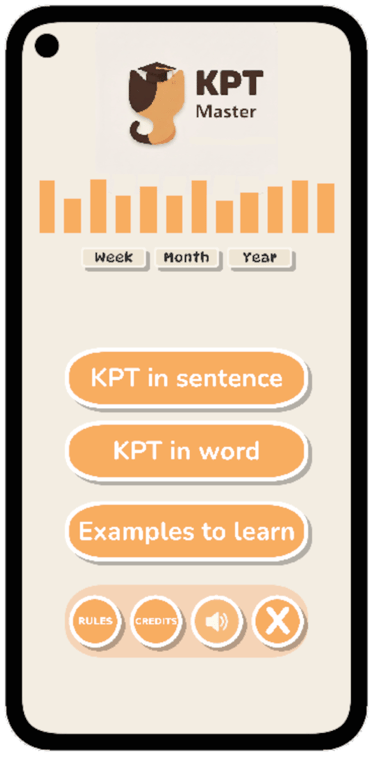
Our app is designed to help you build muscle memory for these changes. Instead of memorizing boring grammar tables, you practice:
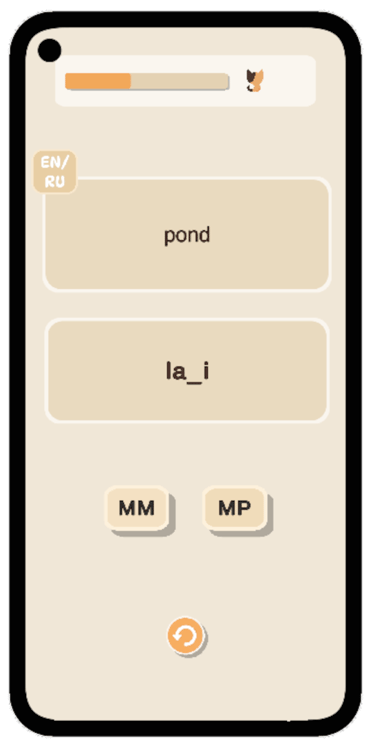
Word Variation: See how a single word like "Pond" transforms across 10+ different cases.
Pattern Recognition: Train your brain to know instinctively when a T stays a T and when it turns into a D (like Katu → Kadulla).
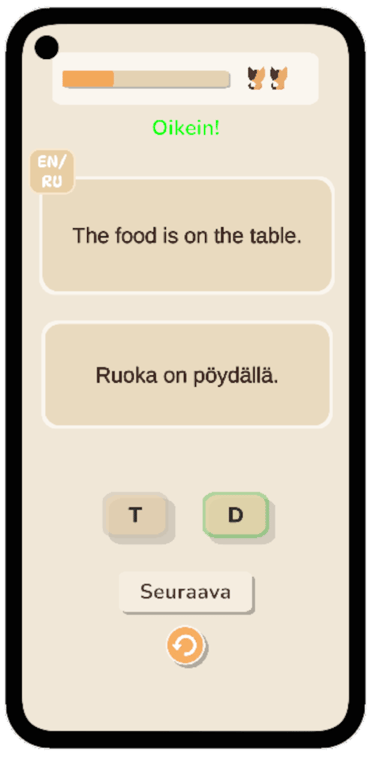
Real-world Sentences: Practice the KPT rule within actual Finnish phrases so you learn the context alongside the grammar.
Sisu Tip: Don't be afraid of the KPT changes. They are the "heartbeat" of the Finnish language. Once you master these, the rest of the grammar starts to fall into place.